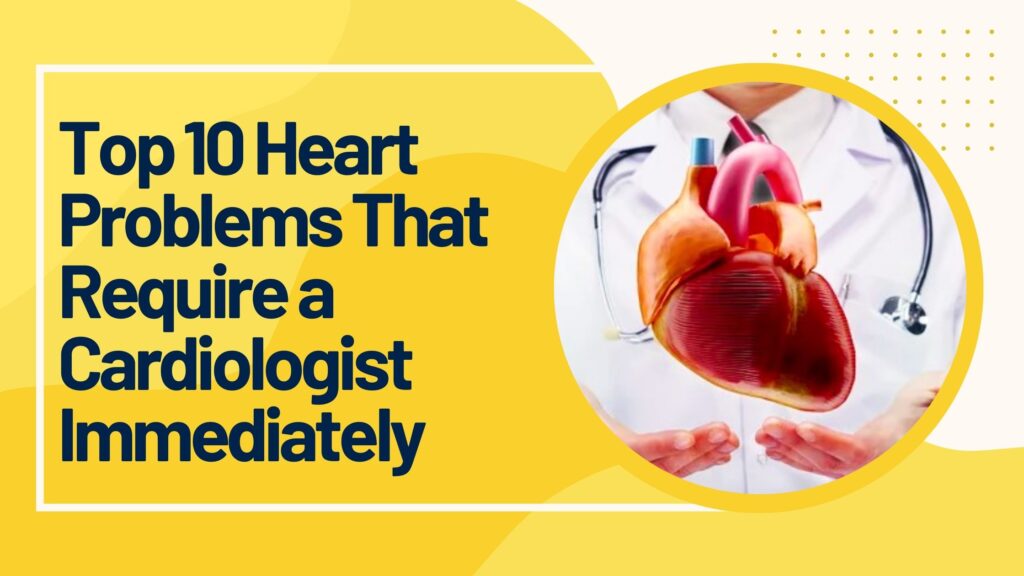
Heart disease is the leading cause of death worldwide, responsible for 17.9 million deaths annually (WHO). Early recognition of heart problems and timely consultation with the best cardiologist in Mumbai or an experienced cardiologist in Bhandup can prevent serious complications, including heart attacks, stroke, and sudden cardiac death.
At Navkaar Hospitals, we emphasize early diagnosis, preventive cardiology, and advanced heart disease treatment to improve patient outcomes.
Both men and women can present differently. Women often have atypical symptoms such as fatigue, nausea, or jaw pain, which can delay diagnosis. Understanding when to see a heart specialist and recognizing urgent heart care signs is crucial for saving lives.
Early intervention improves recovery, reduces hospital stays, and can prevent lifelong complications. Maintaining awareness about heart disease statistics, cardiovascular risk factors, and symptoms empowers you to take charge of your heart health.
Who is a Cardiologist and Why You Need One
A cardiologist specialist is a doctor trained to diagnose and manage heart disease, cardiovascular disorders, and vascular conditions. Cardiologists evaluate risk factors, perform advanced cardiac diagnostic tests, prescribe heart disease treatment plans, and guide patients through lifestyle changes to prevent further complications.
Types of cardiologists:
Cardiac Surgeon: Performs open-heart surgeries, bypass operations, and valve replacements
Interventional Cardiologist: Specializes in minimally invasive procedures like stents, angioplasty, and balloon procedures
Electrophysiologist: Treats arrhythmias and abnormal heart rhythms
Pediatric Cardiologist: Focuses on congenital heart defects and childhood heart conditions
Early consultation with a cardiologist can prevent serious complications, reduce the risk of heart attacks, and ensure proper cardiovascular treatment. A timely visit can also help detect silent conditions like early coronary artery disease (CAD) or arrhythmias before they become life-threatening.
Early Warning Signs That Require Immediate Cardiologist Visit
Recognizing early heart disease symptoms is vital. Ignoring them can lead to severe cardiac complications. Key warning signs include:
Chest pain, pressure, or tightness – may indicate a heart attack or angina
Shortness of breath during activity or rest
Irregular heartbeat or palpitations
Dizziness, fainting, or sudden fatigue
Swelling in legs, ankles, or feet (fluid retention), which can indicate heart failure
Unexplained nausea, sweating, or anxiety
Gender-specific symptoms: Women may experience fatigue, jaw pain, or nausea rather than classic chest pain
Tip: If these symptoms appear suddenly, seek emergency cardiac care immediately.
Top 10 Heart Problems That Require Immediate Attention
Heart Attack (Myocardial Infarction)
Causes: Blockage in coronary arteries due to plaque rupture or blood clots
Symptoms: Chest discomfort, arm/jaw pain, sweating, shortness of breath, nausea, lightheadedness, cold sweats
Urgent Treatments: Thrombolysis, angioplasty, stent placement by an emergency cardiologist
Complications: Heart failure, arrhythmias, sudden death
Prevention Tips: Maintain healthy blood pressure, cholesterol levels, regular exercise, and avoid smoking
Arrhythmia (Irregular Heartbeat)
Types: Atrial fibrillation (AFib), ventricular tachycardia, bradycardia
Symptoms: Palpitations, dizziness, fainting, fatigue, shortness of breath
Risks: Stroke, heart failure, sudden cardiac arrest
Diagnosis: ECG, Holter monitor, event monitor, electrophysiology studies
Treatment: Medication, ablation procedures, pacemaker or defibrillator implantation
Extra Tip: People with AFib should be on anticoagulants to prevent blood clots and stroke.
Heart Failure (Congestive Heart Failure)
Causes: Coronary artery disease, hypertension, valve disease, cardiomyopathy
Symptoms: Breathlessness, fatigue, persistent cough, swelling, irregular heartbeat
Treatment: Medications (ACE inhibitors, beta-blockers, diuretics), implantable devices (ICD, pacemaker), lifestyle changes
Monitoring: Regular cardiologist check-ups
Complications: Organ failure, pulmonary edema, sudden death
Patient Advice: Reducing salt intake and following a heart-healthy diet can significantly improve symptoms.
Coronary Artery Disease (CAD)
Definition: Narrowing or blockage of coronary arteries due to plaque buildup
Risk Factors: Diabetes, smoking, high cholesterol, obesity, family history
Symptoms: Angina, shortness of breath, fatigue, dizziness
Treatment: Lifestyle changes, medications (statins, aspirin), angioplasty, coronary artery bypass surgery
Lifestyle Advice: Heart-healthy diet, exercise, stress reduction, weight management
Heart Valve Disorders
Types: Aortic stenosis, mitral regurgitation, tricuspid valve disease
Symptoms: Fatigue, breathlessness, palpitations, swelling, irregular heartbeat
Diagnosis: Echocardiography, MRI, cardiac catheterization
Treatment: Medication, valve repair or replacement, minimally invasive procedures
Monitoring: Regular cardiologist follow-ups to prevent heart failure
Congenital Heart Defects (CHD)
Definition: Heart abnormalities present at birth
Symptoms: Cyanosis, poor growth, fatigue, palpitations, shortness of breath
Diagnosis: Echocardiogram, MRI, cardiac catheterization
Treatment: Surgery, catheter-based interventions, medications, lifelong monitoring
Specialist Care: Pediatric cardiologist for children; adult congenital heart specialist for adults
Pericarditis (Inflammation of Heart Lining)
Causes: Viral infection, autoimmune disease, post-heart attack, chest trauma
Symptoms: Sharp chest pain, worsens lying down, fever, shortness of breath
Treatment: Anti-inflammatory drugs, steroids, pericardiocentesis if fluid accumulates
Complications: Cardiac tamponade, chronic pericarditis
Advice: Early consultation with a cardiologist prevents severe outcomes
Cardiomyopathy (Heart Muscle Disease)
Types: Dilated, hypertrophic, restrictive, arrhythmogenic
Symptoms: Fatigue, swelling, shortness of breath, arrhythmias
Causes: Genetics, infections, alcohol abuse, high blood pressure
Treatment: Medications, implantable defibrillators, surgery, lifestyle changes
Monitoring: Regular ECGs, echocardiograms, and cardiologist visits
Severe Hypertension Leading to Heart Complications
Effects: Strains heart, arteries, kidneys, and brain
Symptoms: Often asymptomatic, headache, blurred vision, chest pain, dizziness
Treatment: Antihypertensive medications, low-sodium diet, regular exercise, stress management
Complications: Stroke, heart attack, heart failure, kidney disease
Extra Tip: Regular home blood pressure monitoring helps detect high blood pressure heart problems early.
Blood Clots and Stroke Risk from Heart Issues
Causes: Atrial fibrillation, heart failure, post-heart attack, valve replacement
Symptoms: Sudden numbness, weakness, facial droop, speech difficulty, dizziness
Treatment: Anticoagulants, lifestyle changes, regular cardiologist monitoring
Prevention: Maintain healthy blood pressure, exercise, avoid smoking
Conclusion
Early detection of the top 10 heart problems and timely consultation with a qualified cardiologist is critical. At Navkaar Hospitals, patients receive comprehensive cardiac evaluation and advanced heart care for better outcomes. Prioritize preventive care, lifestyle modifications, and regular check-ups for optimal heart health.