
Mumbai families know this feeling well. The moment the first heavy rain hits Mumbai and the rest of the city, there is relief. The heat breaks, the air smells different, and everyone relaxes a little.
Then, two weeks later, someone at home has a fever. Or joint pain flares up. Or a child comes home from school with a stomach infection. Or your elderly parent’s breathing gets difficult.
This happens every year because rainy season health problems in India go far beyond a common cold. The monsoon diseases in India that spike during this period include dengue fever, malaria, typhoid, food poisoning, waterborne diseases, skin fungal infections, vaginal infections, joint pain, breathing difficulties, and more. If your family lives in Mumbai, you are dealing with all of this while also navigating waterlogged streets, humidity that never seems to drop, and the general chaos of the season.
This is the complete monsoon health guide for Indian families you need before the rains hit. It covers every major rainy season disease prevention topic across nine medical specialties, so you know exactly what to watch for, what to do at home, and when to see a doctor. Consider this your go-to resource for monsoon health care tips in India this season.
General Medicine: Dengue, Malaria, Typhoid, Leptospirosis, Waterborne Diseases
Dengue Fever
Dengue fever is still one of the most serious monsoon diseases in India. In 2024, India reported over 2.3 lakh confirmed cases, and Mumbai is consistently among the most affected cities. The Aedes aegypti mosquito that carries dengue fever breeds in clean, stagnant water, which is why coolers, flower pot trays, buckets, and clogged drains in and around your home are the real problem.
Dengue fever symptoms in India during monsoon:
- High fever (often 102 to 104 degrees Fahrenheit) that comes on suddenly
- Severe headache, especially behind the eyes
- Body and joint pain so intense people call it “breakbone fever”
- Skin rash appearing 2 to 5 days after fever starts
- Nausea and fatigue
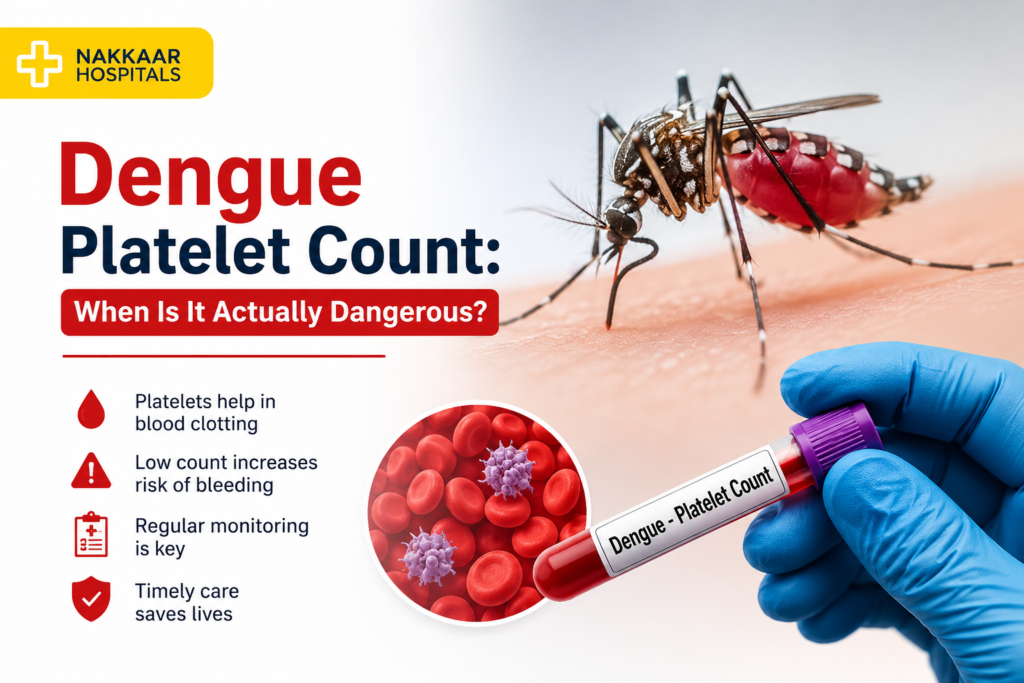
The danger zone with dengue is day 3 to 7. Some patients feel better just before their platelet count drops sharply. This is when families make the mistake of thinking the patient has recovered and delay going to the hospital. Do not wait. A blood test showing platelets below 1 lakh is a reason to visit the hospital the same day.
Prevention: Empty every container holding water around your home every 3 days. Cover overhead tanks. Use mosquito nets, especially for children sleeping during the day, as Aedes mosquitoes bite primarily in daylight hours, not at night.
Malaria
Malaria symptoms during monsoon in India are easy to miss because they overlap with a dozen other illnesses. Malaria spreads through the Anopheles mosquito, which breeds in streams, ponds, drains, and waterlogged areas. Unlike dengue, malaria has treatment that works quickly if started early. The problem is people in Mumbai sometimes confuse it with a regular viral fever and delay getting a blood test.
Malaria symptoms to watch for:
- Fever that comes in cycles, often with chills and shivering
- Sweating after the fever breaks
- Headache, body pain, and fatigue
- Possible nausea and vomiting
If you or your child has a fever that comes and goes every 48 to 72 hours during the monsoon season, do not assume it is a cold. Get a malaria blood test done. Falciparum malaria in particular can become life-threatening within 24 hours if untreated.
Typhoid
Typhoid during monsoon in India rises sharply when floodwater mixes with sewage and contaminates water supply lines. It is caused by Salmonella Typhi bacteria and spreads through contaminated water and food. India has one of the highest typhoid burdens globally, with approximately 10 million cases reported annually.
Typhoid symptoms:
- Sustained fever that rises slowly over several days, often reaching 103 to 104 degrees
- Weakness, loss of appetite
- Headache and stomach pain
- Constipation in early stages, then diarrhea
- Coated tongue in some cases
Typhoid treatment in India during monsoon involves antibiotics, but the full course must be completed. Stopping medication early when the fever breaks is one of the most common mistakes and leads directly to relapse.
A typhoid vaccine is available and recommended for children and adults in high-risk areas. Ask your doctor at Navkaar if your family is due for it.
Leptospirosis (The Disease Mumbai Ignores)
Leptospirosis does not get the attention it deserves. After heavy rains, floodwater on Mumbai streets often contains rat urine carrying the Leptospira bacteria. Walking through waterlogged areas with open cuts or thin footwear is enough for the bacteria to enter through the skin.
Symptoms:
- High fever, severe headache
- Red eyes (conjunctival suffusion)
- Muscle pain, especially in the calves
- Jaundice in severe cases
- Kidney and liver complications if not treated
Every year, leptospirosis cases are underdiagnosed in Mumbai because symptoms overlap with dengue and malaria. If you have walked through floodwater and develop fever with severe calf pain, specifically mention this to your doctor so they test for it.
Prevention: Avoid wading through floodwater wherever possible. Wash feet and legs thoroughly with soap and water if you must. Covered footwear matters more than most people realize.
Food Poisoning and Waterborne Diseases
Food poisoning during monsoon in India is at its seasonal peak. Street food carries more risk because of flies, standing water, and improper handling. Even home cooking can be affected if vegetables are not washed properly or water quality has dropped after heavy rains.
Waterborne diseases in the rainy season in India like cholera, Hepatitis A, and rotavirus spread through contaminated water and unwashed food. Children are especially vulnerable.
Warning signs that need medical attention:
- Diarrhea with blood
- Vomiting that does not stop after 24 hours
- Signs of dehydration (dry mouth, no urination for over 8 hours, dizziness)
- High fever alongside stomach symptoms
ORS (Oral Rehydration Solution) is the first step at home for mild cases. For children, do not wait if dehydration looks likely.
Visit Navkaar’s General Medicine department if fever lasts more than 3 days, if symptoms are severe, or if you want rapid testing for dengue, malaria, typhoid, or leptospirosis.
Pulmonary Medicine: Asthma Worse in Monsoon in India
If someone in your family has asthma, bronchitis, or any chronic lung condition, the monsoon season is when you need to be most careful.
High humidity creates two problems at once. First, mold and fungal spores grow in damp corners of homes, on walls, and inside air conditioners that have not been cleaned. These spores are a major asthma trigger. Second, dust mites thrive in humid conditions and are embedded in mattresses, pillows, and carpets. People with asthma consistently report their condition getting worse during the rainy season in India and the reason is exactly this combination.
What to watch for:
- Wheezing and shortness of breath more frequent than usual
- Nighttime coughing that wakes someone up
- Chest tightness on waking up in the morning
- Reliever inhaler needed more than twice a week
At home: Clean air conditioner filters before the season starts. Keep windows closed during heavy rain and high humidity. Check walls and bathroom corners for visible mold growth and clean with an antifungal solution.
Do not dismiss worsening breathlessness during monsoon as “just the weather.” Asthma attacks can escalate quickly, especially in children and older adults.
Navkaar’s Pulmonary Medicine department can review your inhaler technique, adjust medications for the season, and run a spirometry test if your symptoms have changed from last year.
Orthopedics: Joint Pain, Back Pain, and Slip & Fall Injuries
Why Joint Pain Increases in Monsoon
Joint pain during monsoon and back pain in the rainy season in India are among the most common complaints orthopedic doctors see between July and September. Cold and rainy weather genuinely does make existing joint problems worse, and it is not in your head.
When barometric pressure drops before and during rain, the tissues around joints expand slightly. For people with arthritis, old injuries, or weak joints, this pressure change causes aching, stiffness, and swelling. Joint pain in monsoon is especially bad in the knees, hips, and lower back.
Who feels this most:
- People with osteoarthritis, especially knee and hip joints
- Anyone who had a ligament or cartilage injury in the past
- Women above 45 with early osteoporosis
- People who sit at desks for long hours
What helps at home: Keep joints warm. Light stretching or yoga in the morning helps reduce stiffness. Avoid sitting in one position for more than 45 minutes.
Slip and Fall Injuries
Wet floors, slippery staircases, and waterlogged roads cause a real spike in fractures and ligament tears during the monsoon season. Wrist fractures from putting hands out to break a fall are very common. So are ankle sprains and knee injuries.
If you have a fall and there is immediate swelling, bruising, or you cannot put weight on the limb, do not wait to see if it “feels better by tomorrow.” Hairline fractures often do not cause extreme pain at first.
Navkaar’s Orthopedics department handles fracture care, ligament injuries, and joint pain management with both physiotherapy and surgical options where needed.
Diabetes Clinic: Diabetic Care in Monsoon India
For people with diabetes, the monsoon season is genuinely risky. Diabetic care during monsoon in India requires extra attention, and here is why.
Diabetic neuropathy reduces sensation in the feet. Wet footwear, socks that stay damp for hours, and walking through contaminated water create small cuts, abrasions, and fungal entry points that a diabetic patient often does not feel. By the time the foot is visibly infected, the damage can be significant.
Monsoon diabetic foot care checklist:
- Inspect your feet every single evening, especially between toes
- Never walk barefoot, even at home
- Change wet socks immediately, do not let feet stay damp
- Dry feet completely after washing, including between toes
- Avoid open footwear during the rains
- Clip nails straight across, never at an angle
Warning signs to visit the doctor immediately:
- Any open sore or wound on the foot
- Swelling, redness, or warmth in any part of the foot
- Foul smell from the foot or footwear
- A wound that is not healing in 3 to 5 days
Diabetic foot infections can progress from a small blister to a serious tissue infection within days. This is not an exaggeration.
Additionally, blood sugar control often slips during the monsoon due to reduced physical activity, changes in food habits, and stress from weather disruptions. Check your blood sugar more frequently if you are usually at the border of your target range.
Navkaar’s Diabetes Clinic offers foot examinations, blood sugar management reviews, and HbA1c testing. A monsoon health care check-in before the season peaks is worth doing.
Nephrology: Kidney Infection and Damage from Monsoon Diseases
Most people do not connect monsoon diseases with kidney health, but the link is real. Kidney infection risk during monsoon in India goes up when waterborne and vector-borne illnesses go untreated or are caught late.
Leptospirosis, severe dengue, and typhoid can all cause kidney complications when the infection is severe or treated late. Dehydration from fever, vomiting, and diarrhea places additional stress on the kidneys. People with existing kidney disease, high blood pressure, or diabetes are at higher risk of acute kidney injury during monsoon illness.
Warning signs of kidney involvement during monsoon illness:
- Very little urine output despite drinking fluids
- Dark or brownish colored urine
- Swelling in the legs or face
- Extreme fatigue that seems out of proportion to the illness
- High blood pressure readings that are worse than usual
If you or a family member has chronic kidney disease or diabetes and develops any major monsoon disease, kidney function should be monitored during and after the illness, not just once you feel better.
Navkaar’s Nephrology department can run kidney function tests and help manage the added strain these infections place on the kidneys.
Gynecology: Vaginal Infection in Monsoon India
This is a section most monsoon health guides skip, but vaginal infections during monsoon in India are extremely common and something many women quietly deal with without getting proper treatment.
High humidity, wet clothing, and damp undergarments create ideal conditions for fungal (candida) and bacterial infections. Women who use public transport in Mumbai during heavy rain, stay in wet clothes for extended periods, or have conditions like diabetes or PCOS are especially prone to vaginal infection during monsoon.
Common signs of vaginal infection:
- Increased or unusual discharge
- Itching or burning sensation
- Discomfort during urination
- Redness or swelling in the genital area
Most vaginal infections during monsoon are easily treatable with antifungal or antibiotic medication. The mistake is treating with over-the-counter creams without confirming what type of infection it is, which leads to recurring episodes.
Simple prevention:
- Change wet clothes and undergarments immediately
- Cotton innerwear dries faster and reduces moisture buildup
- Avoid tight synthetic clothing during the rainy season
- Do not douche or use heavily scented hygiene products
Navkaar’s Gynecology department can diagnose the infection correctly and give the right treatment so it does not become a recurring problem through the monsoon months.
Dermatology: Skin Fungal Infection in Monsoon India
The skin takes a real hit during the monsoon season. Sweat, humidity, wet footwear, and damp skin folds create conditions that bacteria and fungi thrive in. Skin fungal infections during monsoon in India are among the most frequently ignored and most easily treated health problems of this season.
Most common monsoon skin problems:
Ringworm (Tinea): Red, ring-shaped, itchy patches on the neck, inner thighs, and trunk. Spreads easily through shared towels and clothing. This is the most common skin fungal infection in monsoon India.
Athlete’s Foot: Peeling, itching, and cracking between toes. Walking in wet shoes all day is the main trigger.
Prickly Heat: Blocked sweat glands cause small red bumps. Very common in children.
Folliculitis: Infected hair follicles on the back, thighs, or buttocks. Tight wet clothing and non-breathable fabrics are a common trigger.
At home: Keep skin dry, especially in skin folds. Change into dry clothes as soon as possible after getting wet. Use antifungal powder on prone areas. Do not share towels.
Avoid self-treating with steroid creams from the pharmacy without a diagnosis. Steroid creams applied to a fungal infection make it spread faster and cover a larger area.
Navkaar’s Dermatology department can confirm what skin condition you have and prescribe the right treatment.
Neurology: Migraines and Vertigo Triggered by Monsoon Weather
This is the connection most people have never heard of, but neurologists see it clearly every rainy season.
Barometric pressure and migraines: When atmospheric pressure drops before or during a storm, it is a well-documented trigger for migraines in people who are susceptible. Mumbai sees dramatic pressure changes during heavy monsoon spells. If you notice that your migraines are worse during or just before heavy rain, barometric pressure is likely the reason. This is one of the rainy season health problems in India that is almost never discussed in standard monsoon health care tips.
What helps: Keep a headache diary for a few weeks during monsoon. If you notice a pattern with rain or storms, your neurologist can adjust your preventive medication plan for the season.
Vertigo in monsoon: Humidity and weather changes affect the fluid dynamics of the inner ear, which is why some people experience more dizziness or imbalance during this season. Viral infections like the flu or even a bad cold can trigger vestibular neuritis, causing sudden severe vertigo.
See a doctor if:
- A new episode of vertigo comes on suddenly and severely
- Dizziness is accompanied by hearing loss or ringing in the ear
- You have difficulty walking or coordinating movements
- Headache is accompanied by vision changes or weakness
Navkaar’s Neurology department handles both migraine management and vertigo evaluation, including BPPV repositioning treatment.
Bariatric and Weight Management: Monsoon Weight Gain and Metabolism Slowdown
Mumbai residents often notice they gain 2 to 3 kilos between July and September without obviously changing what they eat. This is a real rainy season health problem in India that rarely gets medical attention until significant progress has been undone.
Physical activity drops significantly during the monsoon. Outdoor walks, cycling, and outdoor exercise become difficult. People spend more time sitting at home. Comfort food cravings go up, specifically hot, fried, and carbohydrate-heavy foods. The body’s metabolism also slows slightly in cold, damp conditions. For people already managing their weight, the monsoon season in India disrupts months of progress if not handled consciously.
Practical strategies for monsoon weight management:
- Shift to indoor exercise: yoga, resistance bands, stair climbing, home workouts
- Do not stop tracking food intake just because it is “monsoon eating season”
- Warm soups and dals are filling without being calorie-heavy
- Avoid making fried snacks a daily habit
For patients who have had bariatric surgery or are on a structured weight management program, monsoon is a season to stay in closer contact with your team. Absorption patterns, eating habits, and activity levels can all shift in ways that need monitoring.
Navkaar’s Bariatric and Weight Management team can review your plan and help you get through the rainy season without losing ground.
Monsoon Health Checkup at Navkaar Hospitals in Mumbai
Rather than waiting until someone gets sick, a pre-monsoon or early-monsoon checkup is a practical way to go into the rainy season knowing where you stand. A full body checkup during monsoon in India can catch early warning signs before they become a problem during the most challenging months for your health.
Navkaar Hospitals in Bhandup, Mumbai offers a Monsoon Health Checkup Package that includes a complete blood count, blood sugar, kidney and liver function tests, urine analysis, and a physician consultation. It is designed for families across all age groups.
For patients with existing conditions like diabetes, hypertension, asthma, or kidney disease, the package can be combined with a specialist consultation to adjust your management plan specifically for the season.
If you are looking for a monsoon health checkup in Mumbai for yourself or your family, Navkaar Hospitals in Mumabi is accessible from across the eastern and central suburbs of Mumbai.
Book your Monsoon Health Checkup at Navkaar Hospitals, Bhandup.
Frequently Asked Questions (FAQs)
Q: What are the most common monsoon diseases in India?
Dengue fever, malaria, typhoid, leptospirosis, food poisoning, viral fever, and waterborne diseases are the most common. Skin fungal infections and vaginal infections also increase sharply during the rainy season in India.
Q: How do I know if my fever is dengue or malaria during monsoon?
Both cause high fever and body pain, but dengue fever symptoms in India during monsoon often include a rash and pain behind the eyes, while malaria symptoms typically follow a cyclical fever pattern. A blood test is the only way to confirm either. Do not try to diagnose at home.
Q: Is asthma worse in monsoon in India?
Yes. Humidity, mold spores, and dust mites all increase during the monsoon season and are common asthma triggers. People with asthma should clean their AC filters, keep inhalers accessible, and consult their doctor if they are using their reliever inhaler more than twice a week.
Q: Is it safe to eat street food during monsoon? Food poisoning during monsoon in India
is at its highest during this season. Open food exposed to flies, water, and temperature changes carries more risk. Cooked, hot food from known clean sources is safer. Avoid raw salads, cut fruit, and water from unknown sources.
Q: What should a diabetic person do specially during monsoon? Diabetic care during monsoon in India
starts with daily foot checks. Check for wounds every evening. Never stay in wet footwear for long. Monitor blood sugar more frequently. Come in for a seasonal review if activity levels have changed.
Q: Can rain trigger migraines?
Yes. Drops in barometric pressure before and during heavy rain are a documented trigger for migraines. If you notice a pattern of migraines worsening during rainy season, a neurology consultation can help you manage this with preventive medication.
Q: Where can I get a monsoon health checkup in Mumbai?
Navkaar Hospitals in Bhandup, Mumbai offers a comprehensive monsoon health checkup covering blood tests, urine analysis, and a physician consultation. Walk in or call to book your full body checkup this monsoon season.