Finding out you have uterine fibroids can leave you with a lot of questions. Do they need to be removed? Will they affect pregnancy? Is medicine enough, or will you need surgery?
The short answer is that most fibroids don’t need surgery, and many need no treatment at all. They are generally non-cancerous, and plenty of women live with them without ever knowing. Uterine fibroid treatment usually becomes a topic when fibroids cause heavy periods, ongoing pelvic pain, pressure on the bladder or bowel, or problems with fertility.
What is right for you depends on your symptoms, the size and position of the fibroids, your overall health and whether you want children in future. This guide explains how doctors weigh those factors, so you can go into your appointment with clearer questions.
What Are Uterine Fibroids?
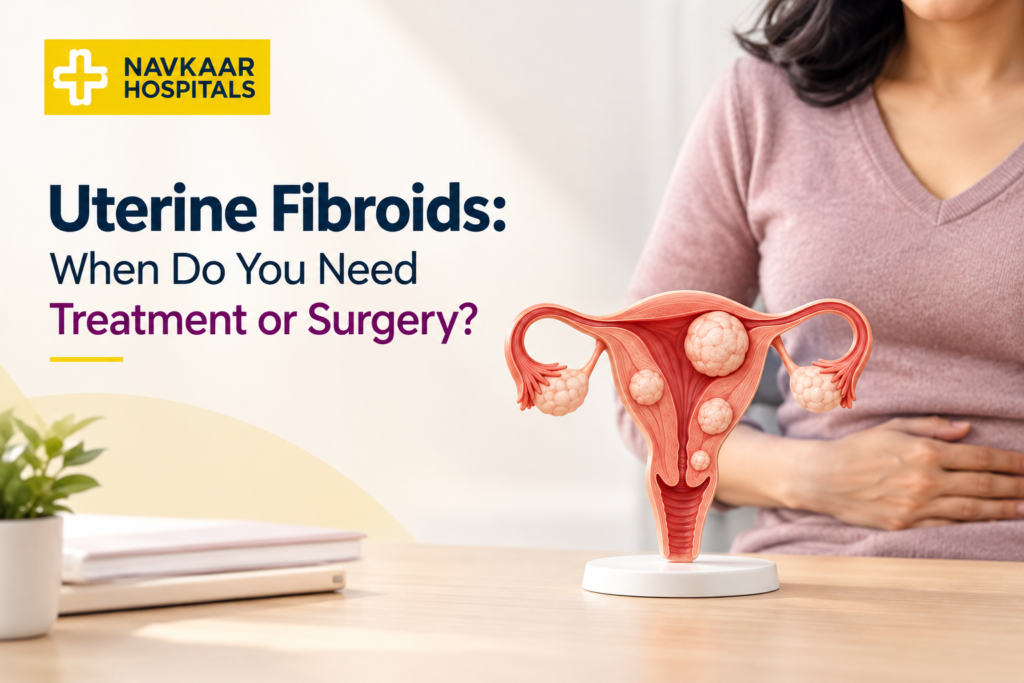
Uterine fibroids, also called leiomyomas or myomas, grow from the muscle tissue of the uterus. They are generally non-cancerous. You can have one or several, and they range from tiny nodules to large growths that change the shape of the uterus.
Doctors describe fibroids by where they sit:
- Intramural: within the muscular wall of the uterus.
- Submucosal: growing towards or into the uterine cavity. These can cause heavy bleeding and may affect fertility.
- Subserosal: growing towards the outer surface of the uterus. When large, they can press on nearby organs.
Location can matter as much as size. A small fibroid pushing into the uterine cavity may cause heavy bleeding, while a bigger one elsewhere may cause almost nothing.
What Are the Common Symptoms of Uterine Fibroids?
Some women never have symptoms and find out about fibroids during a routine exam or ultrasound. Others have problems that get in the way of daily life. Common uterine fibroid symptoms include:
- Heavy or prolonged periods
- Painful periods or pelvic discomfort
- A feeling of pressure or fullness in the lower abdomen
- Frequent urination, if a fibroid presses on the bladder
- Constipation or trouble passing stools, if it presses on the bowel
- Lower back pain or pain during sex
- Tiredness, weakness or breathlessness from anaemia after heavy blood loss
Fibroids can sometimes be linked to fertility difficulty or pregnancy complications, depending on their size and position. Having fibroids does not mean you will struggle to conceive.
Unusual or persistent bleeding is also not always caused by fibroids. Your gynaecologist may need to look for other causes before suggesting treatment.
Do All Uterine Fibroids Need Treatment?
No. Fibroids that cause no symptoms, or only mild ones, usually don’t need treatment straight away. Your fibroid doctor may suggest watchful waiting, which means regular follow-up based on how you feel and what the examination shows.
Monitoring is usually reasonable when:
- Bleeding and pain are not significant
- There is no sign of a complication
- The fibroids aren’t pressing on other organs or raising a fertility concern
- You are approaching menopause, when fibroids may shrink as hormone levels change
Watching and waiting is not the same as ignoring the problem. Your doctor may ask you to track your symptoms, come back for review or repeat an ultrasound when needed. If symptoms appear or get worse, the plan can change. A fibroid found on a scan does not mean surgery is on the way.
When Do Fibroids Need Treatment or Surgery?
Treatment is worth discussing when fibroids cause problems that observation can’t handle. Your gynaecologist may bring up uterine fibroid treatment if:
- Heavy bleeding is affecting your life. Long or heavy periods can lead to iron-deficiency anaemia and get in the way of normal activities.
- Pain or pressure won’t go away. Pelvic discomfort, abdominal pressure or urinary symptoms need further evaluation.
- Fertility or pregnancy plans are involved. The position of a fibroid, especially in relation to the uterine cavity, can influence these decisions.
- Medication isn’t enough. If symptoms continue despite treatment, the next step may need to change.
- Something looks concerning. A change in symptoms or an unclear diagnosis may call for more tests.
- Large fibroids cause physical discomfort. They can press on the bladder, bowel or surrounding structures.
None of these situations leads automatically to fibroid surgery. Depending on what is found, the doctor may suggest medicine, a minimally invasive procedure or an operation. The choice should weigh the likely benefit, the risks, the recovery time and what you want.
Is There a Specific Fibroid Size for Surgery?
No. There is no single fibroid size that means surgery is necessary.
A large fibroid may cause pressure symptoms, but size alone doesn’t tell you whether an operation is needed. A smaller fibroid that affects the uterine cavity can cause heavy bleeding or fertility problems and may need treatment even though it is small.
When your gynaecologist thinks about fibroid size for surgery, they look at several things together:
- The number, size and location of the fibroids
- How severe the bleeding, pain or pressure is
- Whether the fibroids distort the uterine cavity
- Whether you have anaemia or another complication
- Your age, general health and plans for pregnancy
- Whether earlier treatment has given enough relief
An ultrasound report is an important part of the picture, but it has to be read alongside your symptoms and medical history. Decisions about fibroid surgery should come from an individual assessment, not a size rule.
How Are Uterine Fibroids Diagnosed?
Diagnosis usually starts with a conversation about your periods, pain, urinary symptoms, medical history and plans for pregnancy. A physical examination may follow.
An ultrasound is the usual way to find fibroids and check their size, number and position. Depending on the results, your doctor may suggest more tests:
- Blood tests to check for anaemia when bleeding is heavy.
- MRI for a more detailed view of fibroid location and anatomy when it is needed to plan treatment.
- Hysteroscopy, which lets the doctor look inside the uterus when a problem in the cavity is suspected.
- Other investigations to look into abnormal bleeding or rule out other conditions.
You won’t necessarily need every test. What is advised depends on your symptoms, the examination findings and the treatment being considered.
Uterine Fibroid Treatment Options, With and Without Surgery
Fibroid treatment options run from monitoring and medicine to procedures and operations. Several of them involve no surgery at all: monitoring, medication and, for selected patients, uterine artery embolization or radiofrequency ablation. The right choice depends on your situation and your goals.
1. Monitoring without immediate treatment
When fibroids aren’t causing significant symptoms or complications, regular follow-up may be enough. This avoids the risks and recovery time of treatment you don’t need. You should still ask for a review if you notice heavier bleeding, growing pelvic pain, ongoing urinary symptoms or other changes.
2. Medication for symptom management
Medicines can help with heavy or painful periods. Some hormonal treatments reduce bleeding, and certain medicines can shrink fibroids for a time or reduce their size before surgery.
They don’t all work the same way, though. Some control symptoms without removing the fibroids or getting rid of them permanently. Benefits, side effects and suitability differ from one treatment to the next.
Your doctor will look at your medical history, bleeding pattern, other health conditions and pregnancy plans before recommending anything. Please don’t start hormonal medicines or other treatments without medical advice.
3. Myomectomy: fibroid removal that keeps the uterus
Myomectomy is an operation that removes the fibroids and leaves the uterus in place. It may be considered for women with significant symptoms or certain fertility-related concerns. The approach depends on the size, number and location of the fibroids:
- Hysteroscopic myomectomy: an instrument is passed through the vagina and cervix to remove selected fibroids that bulge into the uterine cavity.
- Laparoscopic myomectomy: fibroids are removed through small cuts in the abdomen using specialised instruments.
- Open myomectomy: fibroids are removed through a larger abdominal incision when their size, number or position makes this the better route.
Myomectomy preserves the uterus, but it doesn’t guarantee a future pregnancy. Fertility outcomes depend on several factors, and new fibroids can develop after treatment. A fibroid specialist can explain what recovery involves and what it may mean for a future pregnancy.
4. Hysterectomy: removing the uterus
Hysterectomy is an operation to remove the uterus. It may be considered when fibroids cause major problems and other treatments are unsuitable, haven’t worked or aren’t what you prefer.
After a hysterectomy, pregnancy is no longer possible. Whether the ovaries are removed too depends on your medical situation and the surgical plan. Removing the uterus does not automatically mean removing the ovaries.
Because this decision is major and cannot be undone, talk through the benefits, risks and alternatives thoroughly with your gynaecologist.
5. Uterine artery embolization
Uterine artery embolization, also called UAE or UFE, is a procedure in which an interventional radiologist blocks selected blood vessels that supply the fibroids. With less blood flow, the fibroids shrink over time and symptoms can improve.
It can be an option for selected patients who want to avoid conventional surgery, but it isn’t suitable for everyone. Its possible effects on future pregnancy and fertility need careful discussion. If you may want a pregnancy, speak with the relevant specialists about the alternatives and the uncertainties before you choose it.
6. Other minimally invasive treatments
Radiofrequency ablation uses heat to destroy fibroid tissue so the growth shrinks. Focused ultrasound is another option for selected patients, using concentrated energy to heat and treat fibroid tissue.
Availability, suitability, risks and long-term evidence vary between these procedures, and their effect on future pregnancy also has to be considered. A specialist can tell you whether a particular technique fits your fibroids and your plans.
How Do Fertility Plans Affect Fibroid Treatment?
Future pregnancy plans carry a lot of weight in choosing a treatment.
Some fibroids, particularly those that distort the uterine cavity, may affect fertility or raise certain pregnancy risks. Others have little or no effect. So treatment isn’t automatically needed before pregnancy just because fibroids are present.
Myomectomy may be considered when removing particular fibroids is expected to help with symptoms or a relevant reproductive concern. Surgery can also cause scarring, so the benefits have to be weighed against the risks.
Uterine artery embolization and other procedures need their own discussion about reproductive outcomes. Hysterectomy is not an option if you want to carry a future pregnancy, because the uterus is removed.
Tell your gynaecologist if you are planning a pregnancy, trying to conceive or thinking about fertility treatment. It can change the assessment and the plan considerably.
When Should You Consult a Gynaecologist?
Make an appointment if you have heavy or prolonged periods, persistent pelvic pain, growing abdominal pressure, frequent urination or a change in your usual menstrual pattern. You should also raise fibroids with your doctor if you’ve been diagnosed with them and are planning a pregnancy.
Get urgent medical help for sudden, severe pelvic or abdominal pain, very heavy bleeding with dizziness or fainting, or bleeding that makes you feel seriously unwell. These symptoms can have causes other than fibroids, and they shouldn’t be ignored.
A gynaecologist can review your symptoms, interpret your test results and explain whether monitoring, medication, a procedure or surgery makes sense. If you are looking for uterine fibroid treatment in Mumbai, you can consult the gynaecology team at Navkaar Hospitals in Bhandup for an assessment and a discussion of your care options. The approach recommended will depend on your clinical findings and treatment needs.
Frequently Asked Questions
Do all uterine fibroids need surgery?
No. Many fibroids cause no symptoms and can be monitored. Surgery may be considered when symptoms, complications or specific reproductive concerns make active treatment appropriate.
What size of fibroid requires surgery?
There is no universal size threshold. The decision depends on the fibroid’s location, number, symptoms and effect on nearby organs, along with your health and pregnancy plans.
Can uterine fibroids be treated without surgery?
Yes. Monitoring and medication suit some patients, and procedures such as uterine artery embolization or radiofrequency ablation may suit selected cases. The right option depends on your circumstances.
Can fibroids affect future pregnancy?
Some can, particularly those that distort the uterine cavity. Many don’t cause any problem. A gynaecologist can assess how relevant your fibroids are to your plans.
What is the difference between myomectomy and hysterectomy?
Myomectomy removes the fibroids and keeps the uterus. Hysterectomy removes the uterus, so carrying a pregnancy is no longer possible.
What is uterine fibroid embolization?
It is a procedure that reduces blood flow to fibroids so they shrink over time. Whether it suits you, and what it means for a future pregnancy, should be discussed with specialists.
When should I consult a doctor for fibroid symptoms?
See a doctor for heavy or prolonged periods, persistent pelvic pain, pressure symptoms, urinary changes or fertility concerns. Sudden severe pain, fainting or very heavy bleeding with marked weakness needs urgent assessment.
Can fibroids return after treatment?
New fibroids can develop after myomectomy, and symptoms may come back after some treatments. After a hysterectomy, fibroids cannot return because the uterus has been removed. How likely further treatment is depends on the procedure and on you.
Conclusion
Uterine fibroids don’t always need treatment, and size alone doesn’t decide whether you need surgery. Your symptoms, where the fibroids are, any complications, your age and your plans for pregnancy all count.
If you’ve been told you have fibroids, or you have unusual bleeding or pelvic pain that won’t settle, see a qualified gynaecologist. A proper assessment will show whether watching, medicine, a procedure or surgery is the right step for you. You can book a fibroid consultation with the Navkaar gynaecology team.